
Window Film 101
What Is Architectural Window Film?
Architectural window film is a thin, high-performance material professionally applied to existing glass to improve its performance, appearance, or functionality without replacing the windows.
Designed for residential and commercial buildings, films are available in a wide range of technologies and finishes. Depending on the product, they can manage solar energy, alter visibility, enhance privacy, add decorative finishes, or help strengthen existing glass.
Unlike blinds or shades, window film works directly on the glass while allowing you to maintain the use of your windows, natural light, and outward views.
Solutions Tailored to your Space
Window film can solve a variety of problems without replacing your existing glass. The right solution depends on what you want to improve within the space.
Helps reduce solar heat, glare, and UV exposure for a more comfortable interior. Ideal for hot rooms, intense sun exposure, and areas affected by screen glare or fading.
❋ Solar Control
Transforms plain glass with frosted, patterned, gradient, or specialty finishes. Ideal for offices, conference rooms, bathrooms, entryways, and interior glass.
❋ Decorative & Design
Adds privacy or changes visibility through the glass while maintaining natural light. Options range from reflective solar films to frosted and decorative finishes.
❋ Privacy
Helps hold broken glass together after impact, reducing hazards from shattered glass and adding another layer of protection to vulnerable windows and doors.
❋ Safety & Security
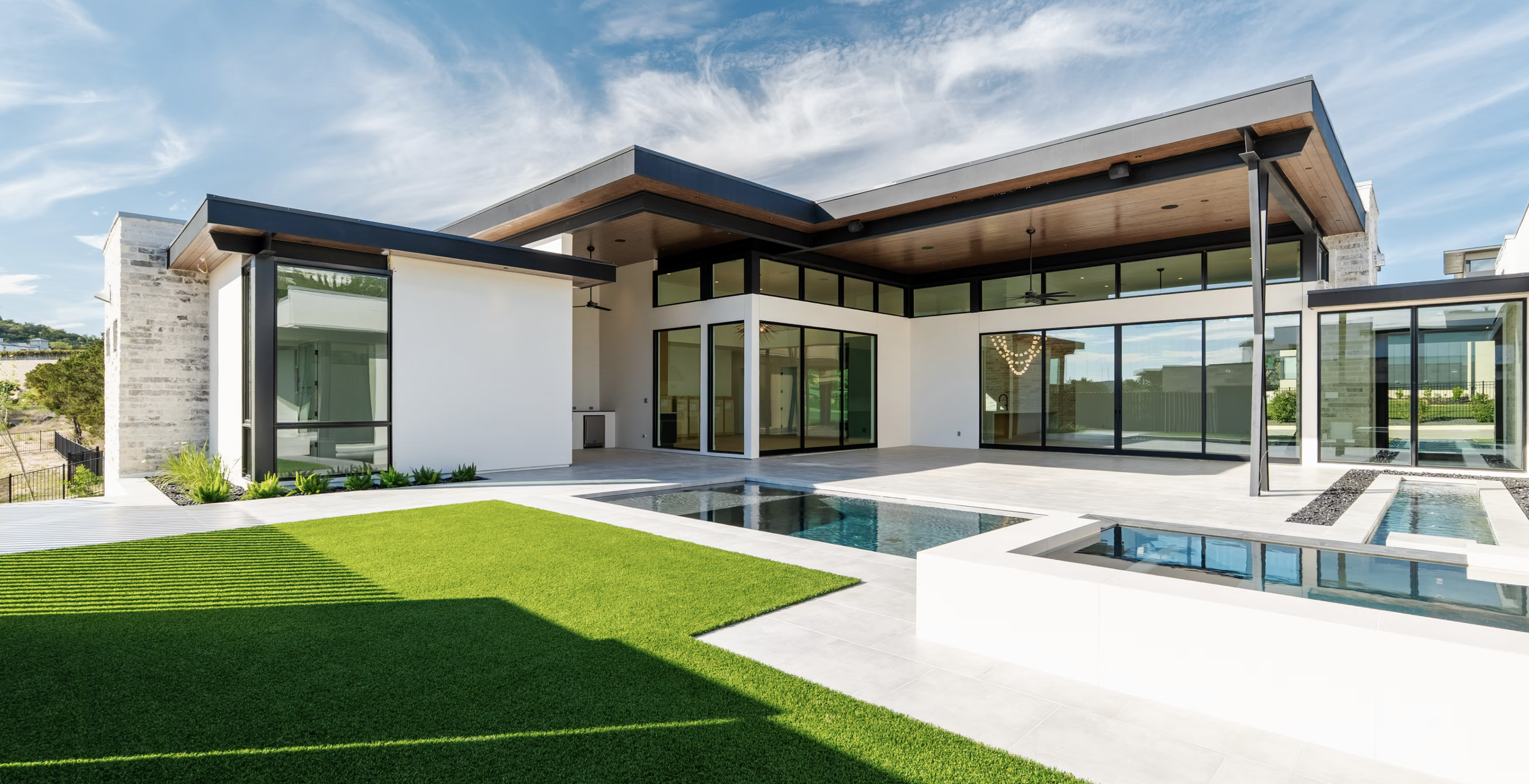
How different window films work.
Not all architectural window films are designed to do the same thing. Different films use different materials and technologies to manage sunlight, heat, visibility, privacy, and glass protection.
-
Designed for properties where maintaining natural light and the original appearance of the glass is a priority.
These films use advanced solar-control technologies, including ceramic, nano-ceramic, spectrally selective, and other high-performance constructions, to manage solar energy while keeping exterior reflectivity relatively low.
Some options are nearly clear, while others add a subtle neutral tint for additional glare and solar control.
Common benefits include:
Solar heat reduction
Low exterior reflectivity
High visible light transmission
UV protection
Reduced interior fading
Natural outward views
Best for: Homes, offices, storefronts, and other spaces where you want improved comfort without dramatically changing the appearance of the windows.
-
Designed for stronger solar control, glare reduction, and daytime privacy.
These films use reflective or metallic layers to redirect a portion of the sun's energy away from the glass. This typically allows them to provide greater solar performance than films designed primarily around maintaining a completely natural appearance.
Dual-reflective films use a more reflective exterior surface with a softer interior-facing finish. This provides the benefits of exterior solar rejection and daytime privacy while reducing the mirror-like appearance from inside.
Common benefits include:
Strong heat reduction
Significant glare control
Increased daytime privacy
UV protection
Improved comfort in high-sun areas
Reduced solar load on the interior
Best for: West- and south-facing windows, large expanses of glass, commercial buildings, hot rooms, and properties where glare or daytime privacy is a major concern.
Reflective privacy works primarily during daylight hours. When it is darker outside and interior lights are on, visibility conditions can reverse.
-
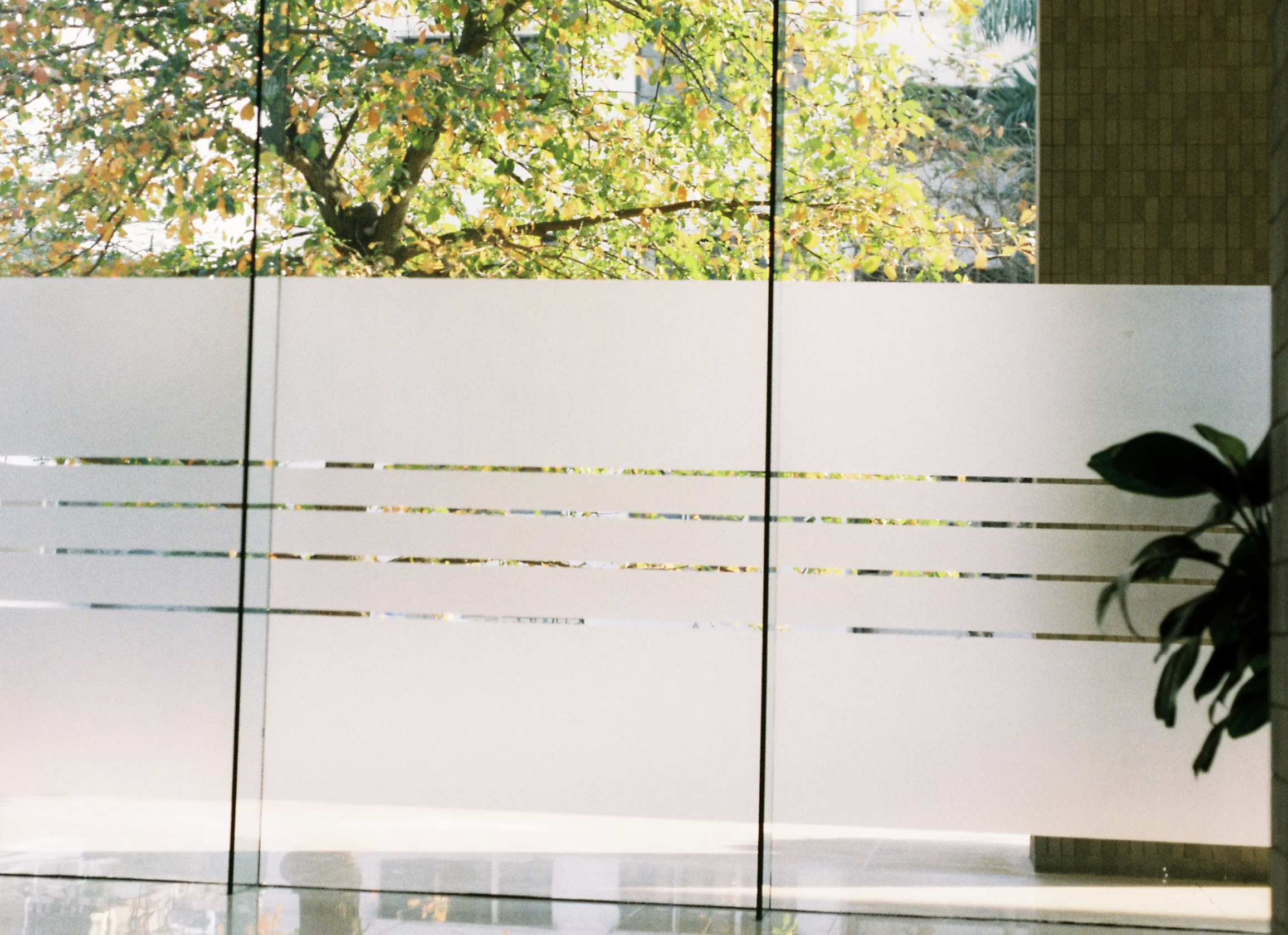
Designed to change the appearance or visibility of glass while still allowing natural light into the space.
Decorative films are available in frosted, etched, patterned, gradient, textured, and specialty finishes. Unlike reflective solar films, privacy is created by obscuring or diffusing visibility through the glass rather than relying on changing lighting conditions.
They can also provide the appearance of specialty glass without the cost and disruption of replacing the existing glazing.
Common benefits include:
Increased privacy
Customizable appearance
Light diffusion
Reduced direct visibility
Decorative branding and design possibilities
Best for: Conference rooms, office partitions, bathrooms, entryways, sidelights, interior glass, storefronts, and other spaces where privacy or design is the primary goal.
-
Designed to strengthen the existing glazing system and help keep broken glass together after impact.
Safety and security films are constructed from thicker, durable polyester layers that bond to the glass. If the glass breaks, the film helps retain the fragments rather than allowing them to immediately scatter.
Depending on the level of protection required, security film may also be combined with specialized attachment systems that secure the film to the window frame.
Common benefits include:
Helps hold shattered glass together
Reduces hazards from flying glass
Adds resistance to impact and forced entry
Can improve protection for vulnerable glazing
Available in clear and solar-control configurations
Best for: Storefronts, commercial buildings, entry doors, schools, offices, homes, and areas where additional glass protection is desired.
WHAT TO EXPECT FROM YOUR INSTALLATION.
Professional installation plays an important role in both the appearance and long-term performance of window film.
We confirm the glass being serviced, selected film, project conditions, and any factors that may affect installation.
❋ Project Review
Each pane is thoroughly cleaned and prepared to remove contamination that could become trapped beneath the film.
❋ Glass Preparation
The film is measured, cut, positioned, and installed directly onto the glass. Each pane is individually trimmed and finished for a clean, consistent appearance.
❋ Professional Installation
Once installation is complete, we inspect the finished work and clean the surrounding work area.
❋ Final Inspection
Every Tint Me Up installation includes:
Professional architectural window film
Glass preparation
Precision cutting and installation
Professional edge finishing
What’s Included
Final inspection and cleanup
Post-installation care information
Applicable manufacturer warranty
Tint Me Up Austin workmanship coverage
WHAT DETERMINES THE COST OF WINDOW FILM?
Every project is different. Pricing is primarily determined by the amount of glass, film selected, and complexity of the installation.
Larger windows and projects with more glass require additional material and installation time.
❋ Amount & Size of Glass
Film pricing varies based on technology, performance, and application. Solar-control, decorative, exterior, and security films can all fall into different price ranges.
❋ Film Selection
High windows, stairwells, divided panes, unusual shapes, and areas requiring ladders or specialty equipment may require additional installation time.
❋ Access & Installation Complexity
Exterior films, oversized glass, custom decorative work, and security systems may require additional materials or installation methods.
❋ Specialty Applications
PROFESSIONAL INSTALLATION IS PART OF THE INVESTMENT
Your quote reflects more than the material itself. It includes product selection, glass preparation, professional installation, finishing, warranty coverage, and the expertise required to complete the project properly.
Every Project Is Custom Quoted
Photos and approximate measurements are often enough for us to provide an initial estimate. Larger or more complex projects may require an on-site consultation before final pricing.
You'll always receive clear project pricing before work begins.
Frequently Asked Questions
-
Not necessarily. Window films are available in a wide range of shades and appearances, from nearly clear and natural-looking options to darker or more reflective films. We help you choose a film that balances performance with the look you want for your space.
-
Yes. Solar-control films are designed to reduce the amount of solar energy entering through the glass, which can help improve comfort and reduce hot spots near windows. The level of heat reduction depends on the film, glass type, and sun exposure.
-
Yes, but the type of privacy depends on the film. Reflective films can provide increased daytime privacy when it is brighter outside than inside, while frosted and decorative films can provide more consistent privacy by obscuring visibility through the glass.
-
Reflective privacy is primarily a daytime benefit. When it is dark outside and interior lights are on, visibility can reverse. If nighttime privacy is a priority, we may recommend a frosted, decorative, or other obscuring film instead.
-
When the correct film is selected for the glass and professionally installed, architectural window film is designed to work safely with compatible glazing systems. Glass type, construction, coatings, and exposure are considered when selecting the appropriate product.
-
Professional architectural films are designed for long-term use, and many carry manufacturer warranties. Actual lifespan can vary depending on the film, installation location, sun exposure, glass type, and whether the film is installed on the interior or exterior.
-
Installation time depends on the number of windows, their size, accessibility, and the film being installed. Smaller projects may take only a few hours, while larger residential or commercial projects can take most of the day or be completed in phases.
-
Yes. Architectural window films can significantly reduce UV exposure, which is one of the major contributors to fading. Film can help protect flooring, furniture, artwork, merchandise, and other interior finishes, though no product can completely eliminate fading.
-
Many professional architectural films include a manufacturer warranty, with coverage depending on the specific product and application. Tint Me Up Austin also provides workmanship coverage for our installation.
-
Security film does not make glass unbreakable. Its purpose is to help hold broken glass together after impact and make the glazing system more difficult to penetrate. For higher-security applications, the film may also be combined with an attachment system that anchors the filmed glass to the frame.
-
You do not need to know before contacting us. Tell us what you are trying to improve, such as heat, glare, privacy, UV protection, security, or appearance, and we will recommend options based on your glass, property, and priorities.